AP American Government
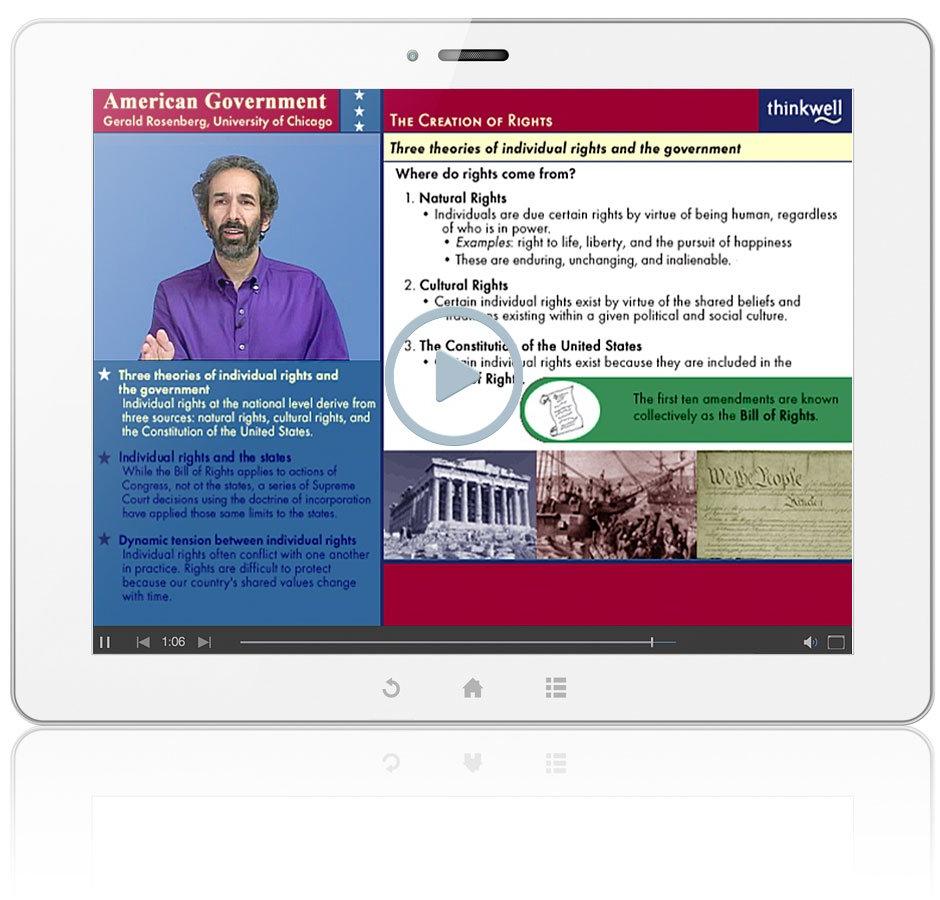
- 12-month Online Subscription to our complete AP American Government course with video lessons, day-by-day lesson plans, automatically graded exercises, and much more.
- CD Set (optional) contains all of the video lessons so that you can watch them when you're away from the internet.
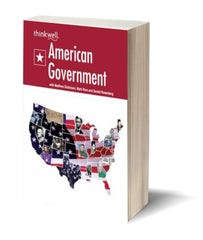
- Printed Notes (optional) are the AP American Government course notes from the Online Subscription, but in a printed, on-the-go format.
AP American Government details
Thinkwell's AP American Government is taught by prestigious political science professors from top universities. Professors Gerald Rosenberg, Mark Rom, and Matthew Dickinson will teach you the powerful ideas central to the U.S. Government and Politics AP curriculum.
No other course has the best teachers available, automatic grading, and tests that are geared to the AP exam—which means that no other course gives you the best tools for succeeding on the AP US Government and Politics exam.
Thinkwell's AP American Government includes all of these features to prepare you for the big exam:
- Equivalent to 11th- or 12th-grade AP American Government
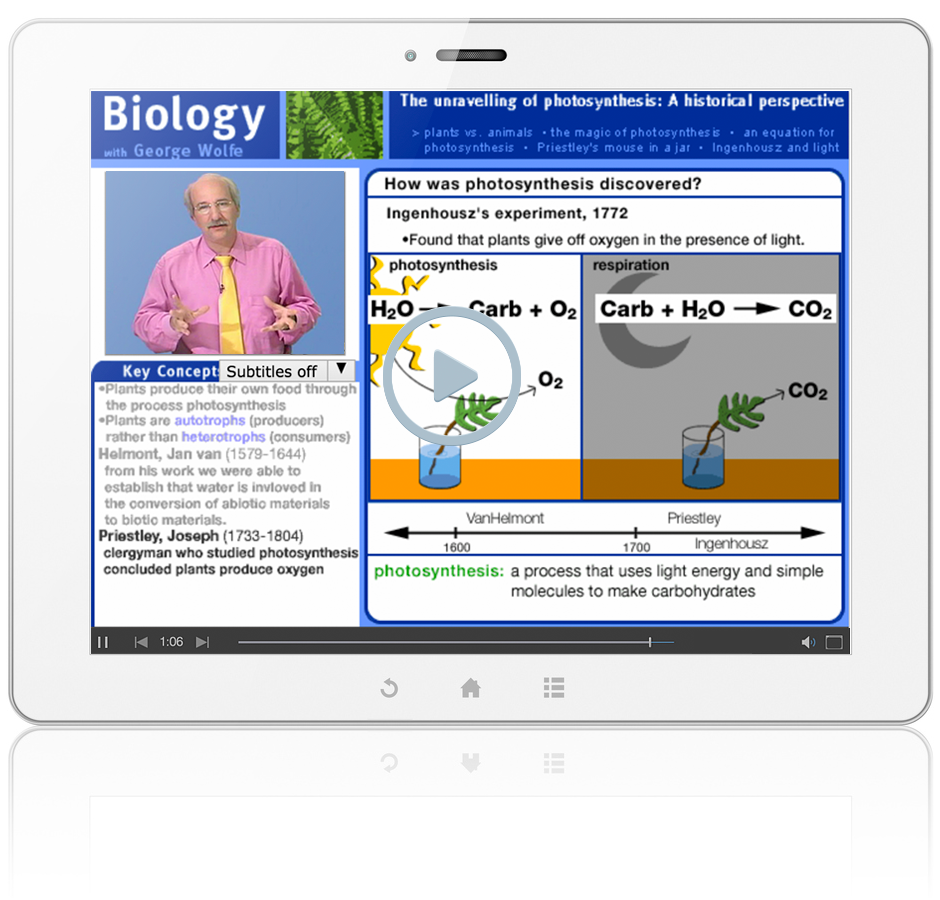
- More than 170 video lessons
- 128 available contact hours (What is this?)
The number of contact hours in a course reflects the amount of time a student will typically spend completing the assignments in each course (i.e. watching videos, doing exercises, taking exams, etc...). Many people think about contact hours as the "seat time" for a course. Thinkwell provides this information so you can ensure that the amount of instruction in a Thinkwell course meets the standards and requirements for your state or region.
- 1000+ interactive AP American government exercises with immediate feedback allow you to track your progress (See sample)
- AP American Government chapter tests for all 7 chapters, as well as a midterm and final exam to make sure you're ready for the AP Government exam
- Printable illustrated notes for each topic
- Closed captioning for all videos
- Glossary of more than 150 civics terms
- Engaging content to help students advance their knowledge of American government:
- Constitutional principles such as federalism and the checks-and-balances system
- Civil liberties and rights
- Modes of political participation
- Political parties and elections
- Federal political institutions: Congress (the House of Representatives and the Senate), the presidency, and the Supreme Court
- Economic, social, and foreign policy
- Citizen participation in the new century
- Key Supreme Court cases like Marbury v. Madison and Korematsu v. United States
About the Authors
Table of Contents
(Expand All - Close All)1. Constitutional Principles
- 1.1 The Foundations of Government
- 1.1.1 An Introduction to Government
- 1.1.2 Why Government?
- 1.1.3 Who Governs?
- 1.1.4 Political Power
- 1.2 Political Culture
- 1.2.1 An Introduction to Political Culture
- 1.2.2 The Foundations of American Culture
- 1.2.3 Unity and Diversity
- 1.2.4 Video Biography: What Is Government?
- 1.3 The History of the Constitution
- 1.3.1 Britain and the Colonies
- 1.3.2 The Articles of Confederation
- 1.3.3 The Constitutional Convention
- 1.3.4 Final Steps to a Federal Government
- 1.3.5 The Road to Ratification
- 1.4 The Constitution in Action
- 1.4.1 The Bill of Rights
- 1.4.2 Checks and Balances
- 1.4.3 Amending the Constitution
- 1.5 Why Federalism?
- 1.5.1 Three Democratic Systems of Government
- 1.5.2 The Pros and Cons of Federalism
- 1.6 Federalism in Action: Divided Powers
- 1.6.1 Federalism Today
- 1.6.2 Federalism through History
- 1.6.3 Hot Topic: The Federal Trump Card: The Commerce Clause
2. Civil Liberties and Civil Rights
- 2.1 An Introduction to Civil Liberties and Rights
- 2.1.1 The Creation of Rights
- 2.1.2 Equality of Opportunity versus Equality of Results
- 2.1.3 Equal Protection Under the Law
- 2.2 First Amendment Rights
- 2.2.1 Freedom of Religion
- 2.2.2 Freedom of Expression: Criticizing the Government
- 2.2.3 Freedom of Expression: Pornography and Cyberspeech
- 2.2.4 Hot Topic: Hate Speech: Right to Free Expression or Invitation to Violence?
- 2.2.5 Freedom of Expression: A Free Press
- 2.2.6 The Right to Assemble
- 2.3 The Individual and Rights
- 2.3.1 Individual Freedoms versus the Common Good
- 2.3.2 The Right to Privacy
- 2.3.3 Hot Topic: Email Privacy
- 2.3.4 The Individual in the Criminal Justice System
- 2.3.5 The Rights of the Accused
- 2.4 Additional Guarantees under the Bill of Rights
- 2.4.1 Second Amendment: The Right to Bear Arms
- 2.4.2 Hot Topic: The Second Amendment and the Roberts Court
- 2.5 The African-American Struggle for Rights
- 2.5.1 Slavery and the Civil Rights Movement
- 2.5.2 The Struggle for Civil Rights: 1900–1950s
- 2.5.3 Civil Rights Legislation: 1960s and Later
- 2.5.4 Case Study: Brown v. Board of Education of Topeka
- 2.6 Civil Rights and Other Groups
- 2.6.1 Women and the Struggle for Rights
- 2.6.2 Rights Revolution: The Expansion of Rights
- 2.6.3 Hot Topic: Sexual Harassment
3. People and Politics
- 3.1 Public Opinion
- 3.1.1 What Is Public Opinion?
- 3.1.2 Political Socialization: Opinion and the Individual
- 3.1.3 Looking at Opinion Polls
- 3.2 Participation and Social Capital
- 3.2.1 Translating Opinion into Action
- 3.2.2 Who Participates?
- 3.2.3 The Importance of Participation: Social Capital
- 3.3 Mobilizing for Action
- 3.3.1 Organizing to Participate
- 3.3.2 Social Movements
- 3.3.3 Case Study: Same-Sex Marriages
- 3.3.4 Case Study: Same-Sex Marriage, Recent Developments
- 3.4 Interest Groups and Political Action Committees
- 3.4.1 Interest Groups and Their Impact on Politics
- 3.4.2 PAC Power
- 3.4.3 The Art of Lobbying
- 3.4.4 Regulating Organized Groups
4. Choosing Representatives
- 4.1 Political Parties: History and Origins
- 4.1.1 Political Parties and Their Functions
- 4.1.2 The American Two-Party System
- 4.1.3 A History of Political Parties in the U.S.
- 4.1.4 Case Study: Why No Socialism in America?
- 4.2 Political Parties Today
- 4.2.1 The Model of Responsible Party Government
- 4.2.2 Party Structure
- 4.2.3 Nominating
- 4.2.4 Parties and Money
- 4.2.5 The Changing Role of the National Convention
- 4.2.6 Hot Topic: Reform Party: New Party or Personal Vehicle?
- 4.3 Election Campaigns
- 4.3.1 Organizing to Run for Election
- 4.3.2 Campaign Strategy in the Primaries
- 4.3.3 Campaign Strategy in the General Election
- 4.3.4 Campaign Techniques, Part I
- 4.3.5 Campaign Techniques, Part II
- 4.3.6 Campaign Finance
- 4.3.7 Hot Topic: Campaign Finance Reform
- 4.3.8 Hot Topic: Update on Campaign Finance
- 4.4 Elections and Voting
- 4.4.1 Voter Turnout
- 4.4.2 Case Study: The Election of 1800: The Bitter Battle
- 4.4.3 Case Study: The Disputed Election of 1876
- 4.4.4 The Issues
- 4.4.5 Voting Decisions
- 4.4.6 Nonvoting
- 4.5 The Media and Politics
- 4.5.1 Media Influence on Elections
- 4.5.2 Media Bias
- 4.5.3 Influencing Elections and Shaping Public Opinion
- 4.5.4 Video Biography: Negative Campaign Ads
5. Political Institutions
- 5.1 Congress: Our Representatives
- 5.1.1 A Bicameral Legislative Body
- 5.1.2 Getting Elected to Congress
- 5.1.3 Staffs, Perks, and Specialized Offices
- 5.1.4 Roles of Legislators
- 5.1.5 Hot Topic: Term Limits
- 5.2 Congress in Action
- 5.2.1 Characteristics of the Two Houses
- 5.2.2 The House
- 5.2.3 The Senate
- 5.2.4 How a Bill Becomes Law
- 5.2.5 Evaluating Congress
- 5.3 The Office of the President
- 5.3.1 Being President
- 5.3.2 Presidential Leadership
- 5.3.3 The Presidential Staff and Advisers
- 5.3.4 Hot Topic: Presidential Pardons
- 5.4 The Roles of the President
- 5.4.1 Legislative Agenda Setter
- 5.4.2 National CEO
- 5.4.3 A World Leader
- 5.4.4 Hot Topic: Edith Wilson as Petticoat President
- 5.4.5 Party Leader
- 5.4.6 Hot Topic: Presidential Character
- 5.5 The Powers of the President
- 5.5.1 Powers and Privileges
- 5.5.2 Checks and Restraints on Presidential Power
- 5.5.3 Hot Topic: Executive Privilege
- 5.5.4 Hot Topic: Presidential War Powers
- 5.6 Divided Government
- 5.6.1 Controlling Extremes
- 5.6.2 Lobbying the President and Congress
- 5.6.3 Hot Topic: The Electoral College
- 5.7 The Federal Bureaucracy
- 5.7.1 The Federal Bureaucracy
- 5.7.2 Hot Topic: The Department of Homeland Security
- 5.7.3 Policymakers and Implementers
- 5.7.4 Budgetmaking
- 5.7.5 Controls on Bureaucracy
- 5.7.6 Reform Efforts
- 5.7.7 Case Study: The IRS
- 5.8 The Federal Court System
- 5.8.1 Court Powers and Restraints
- 5.8.2 Prosecution and Defense in Federal Courts
- 5.8.3 Case Study: Roe v. Wade and the Abortion Movement, Part I
- 5.8.4 Case Study: Roe v. Wade and the Abortion Movement, Part II
- 5.9 The Supreme Court
- 5.9.1 Appointing the Court
- 5.9.2 Leadership on the Supreme Court
- 5.9.3 Process and Calendar
- 5.9.4 Early Decisions That Defined Federal Power
- 5.9.5 Case Study: Affirmative Action
- 5.9.6 Case Study: Incorporation
- 5.9.7 Hot Topic: The Bush Appointments, 2001–2006
- 5.9.8 Hot Topic: The Obama Appointments

6. Public Policy
- 6.1 Policymaking
- 6.1.1 Purpose and Policymaking
- 6.1.2 Policy Development
- 6.1.3 Changing Public Policy
- 6.1.4 The Media and Governance
- 6.1.5 Case Study: School Vouchers
- 6.2 Economic Policy
- 6.2.1 Theories of Economic Policy
- 6.2.2 Tax Policy
- 6.2.3 How the Budget Influences Policy
- 6.2.4 Understanding Debts, Deficits, and Surpluses
- 6.2.5 Case Study: U.S. Debts, Deficits, and Surpluses
- 6.2.6 Managing the Economy
- 6.2.7 Case Study: The Credit Crisis of 2008
- 6.2.8 The Global Economy and the U.S.
- 6.2.9 Case Study: Energy Policy
- 6.2.10 Case Study: Environmental Policy
- 6.3 Social Policy
- 6.3.1 Promoting the General Welfare
- 6.3.2 Social Policy and Poverty
- 6.3.3 Senior Citizens
- 6.3.4 Health Care
- 6.3.5 Hot Topic: Health-Care Reform
- 6.3.6 Education
- 6.3.7 Hot Topic: Invisible Welfare
- 6.4 Foreign Policy: An Introduction
- 6.4.1 U.S. Foreign Policy: Pre–20th Century
- 6.4.2 U.S. Foreign Policy: 20th Century and Beyond
- 6.5 Foreign Policy: The Cast of Characters
- 6.5.1 The U.S. President
- 6.5.2 Influences on Presidents' Behavior
- 6.5.3 The United Nations
- 6.5.4 Treaties and Alliances
- 6.6 The Post-Cold War Era
- 6.6.1 Consequences of the Collapse of the USSR
- 6.6.2 Defense Issues
- 6.6.3 Foreign Aid
- 6.6.4 Hot Topic: The World Trade Organization: Corporate Power Run Rampant?
- 6.6.5 Hot Topic: 9/11 and the War on Terror
- 6.6.6 Hot Topic: The Iraq War
7. Toward a Changing Democracy
- 7.1 Citizen Participation in the New Century
- 7.1.1 A Clash of Values for Governance
- 7.1.2 Immigration and the New Governance
- 7.1.3 Political Participation in the New Century
- 7.1.4 Case Study: The 2000 Election
- 7.1.5 Case Study: The 2004 Election
- 7.1.6 Case Study: The 2006 Election
- 7.1.7 Case Study: The 2000 Census
8. Appendix: Key Supreme Court Cases
- 8.1 Key Supreme Court Cases
- 8.1.1 McCulloch v. Maryland
- 8.1.2 Miranda v. Arizona
- 8.1.3 Korematsu v. United States
- 8.1.4 Marbury v. Madison
- 8.1.5 New York Times v. Sullivan
- 8.1.6 City of Indianapolis v. Edmond
- 8.1.7 Santa Fe Independent School District v. Doe
- 8.1.8 Washington v. Glucksberg